All About Auto Scrubbers With and Without Traction Drive
30th Oct 2026
Choosing an auto-scrubber involves more than comparing tank sizes, brush widths, and cleaning speeds. One important distinction involves how the machine moves, specifically whether it includes a traction drive that can propel it across the floor. Both traction-drive and non-traction-drive auto scrubbers can deliver effective cleaning, but each design creates a different experience for the operator.
Understanding such differences helps facilities choose equipment that matches their flooring, workload, staff, and cleaning schedule. Cleaning Stuff created this guide that talks all about auto scrubbers with and without traction drive, helping you invest wisely from the start.
How Traction Drive Changes an Auto-Scrubber
A traction-drive walk-behind scrubber uses a powered drive system to move the machine forward and, depending on the model, backward. The operator guides and controls the scrubber rather than supplying most of the physical force needed to push it. This assistance becomes especially noticeable when the machine carries full solution and recovery tanks or operates for long periods. For facilities with extensive floor space, traction drive can make a demanding cleaning route much easier to manage.
Without Traction Drive: Operator Power Moves the Machine
A non-traction-drive scrubber relies more heavily on the operator to move the unit across the floor. Some models use the rotation of their cleaning brushes to provide a degree of forward movement, but the operator still controls that motion through physical guidance. This simpler design often works well in smaller areas where crews don’t need to cover long distances. The absence of a dedicated drive system can also appeal to facilities that prioritize straightforward operation and fewer powered components.
Traction Drive Helps With Large Cleaning Routes
Large commercial buildings can require employees to scrub thousands of square feet during a single shift. Powered movement reduces the effort required to maintain a consistent pace across warehouses, schools, healthcare facilities, stores, and other expansive environments. Operators can concentrate more closely on steering, overlapping cleaning passes, and navigating obstacles instead of continuously pushing a heavy machine. That support can become particularly valuable as a shift progresses and operator fatigue starts to affect efficiency.
Without Traction Drive: Smaller Areas Can Favor Simplicity
Not every cleaning route requires powered propulsion, especially when the operator works within compact rooms or relatively short corridors. A non-traction-drive machine can provide the cleaning power a smaller facility needs without adding a feature that crews may rarely benefit from. These scrubbers can also make sense for businesses that clean limited floor areas several times each week rather than tackling extensive routes every day. Matching the equipment to the actual square footage often matters more than simply choosing the machine with the longest feature list.
Consider Operator Comfort and Physical Effort
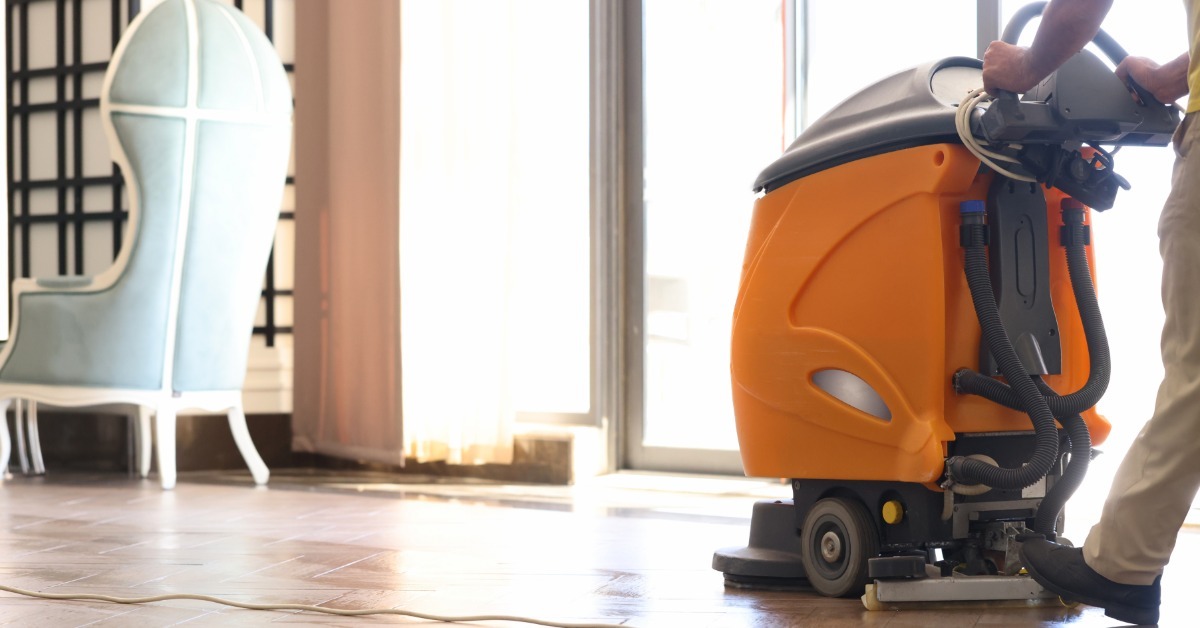
Walk-behind scrubbers carry water, cleaning solutions, batteries, motors, brushes, and recovery equipment, so even compact units can carry substantial weight. Traction drive can manage that weight and allows the operator to guide the machine with less physical exertion throughout a cleaning cycle. Facilities with several employees using the same equipment may appreciate a machine that accommodates operators with different levels of physical strength. Reducing unnecessary effort can also help crews maintain more consistent movement throughout longer jobs.
Buyers should evaluate practical operating conditions instead of treating traction drive as an automatic necessity or an unnecessary luxury. Important factors include:
- Total square footage cleaned during each shift
- Frequency of floor cleaning
- Length of individual cleaning routes
- Floor slopes, ramps, and transitions
- Number of employees who operate the machine
- Typical solution and recovery tank loads
- Amount of furniture or equipment operators must navigate around
Think Beyond the Initial Equipment Price
Purchase price matters, but it shouldn’t determine the decision by itself. A traction-drive scrubber may cost more than a comparable non-traction model because it incorporates additional drive components and controls. However, facilities that clean large areas should weigh that investment against operator effort, cleaning time, and everyday usability. Equipment that better suits the workload can provide more practical value than a lower-priced machine that crews struggle to use efficiently.
Comparing automatic floor scrubbers requires buyers to look beyond the initial purchase price and consider long-term cleaning demands. Facilities should evaluate floor coverage, operator comfort, and equipment maneuverability before deciding whether powered traction justifies the additional investment. A traction-drive model may support demanding cleaning schedules, while a non-traction alternative can provide dependable performance for smaller spaces.
Without Traction Drive: Simplicity Can Offer Value
A non-traction-drive model can offer excellent value when powered movement would add little to the cleaning process. Facilities with manageable floor areas may prefer to invest their budget in suitable brushes, pads, chemicals, or other equipment rather than a drive feature they don’t need. Simpler equipment can also make training more approachable for teams that need straightforward controls and predictable operation. Value comes from choosing useful features, not accumulating as many features as possible.
Maintenance Needs Differ Between Drive Types
Every automatic scrubber requires routine care if owners want reliable performance and effective cleaning. Crews need to inspect squeegees, brushes or pads, batteries, tanks, hoses, and other working components according to the manufacturer’s recommendations. A traction-drive machine adds drive-related components to that maintenance picture, making proper inspection and service especially important. Consistent upkeep protects the investment and prevents minor wear from becoming a larger operational problem.
Without Traction Drive: Fewer Components Don’t Mean No Maintenance
A non-traction scrubber eliminates a dedicated powered propulsion system, but operators still need to maintain the machine carefully. Worn squeegees can leave water behind, dirty recovery tanks can create odors, and neglected brushes can compromise cleaning results. Teams should establish a regular maintenance routine regardless of which drive type they choose. Simple equipment performs best when operators treat preventive care as part of the cleaning process.
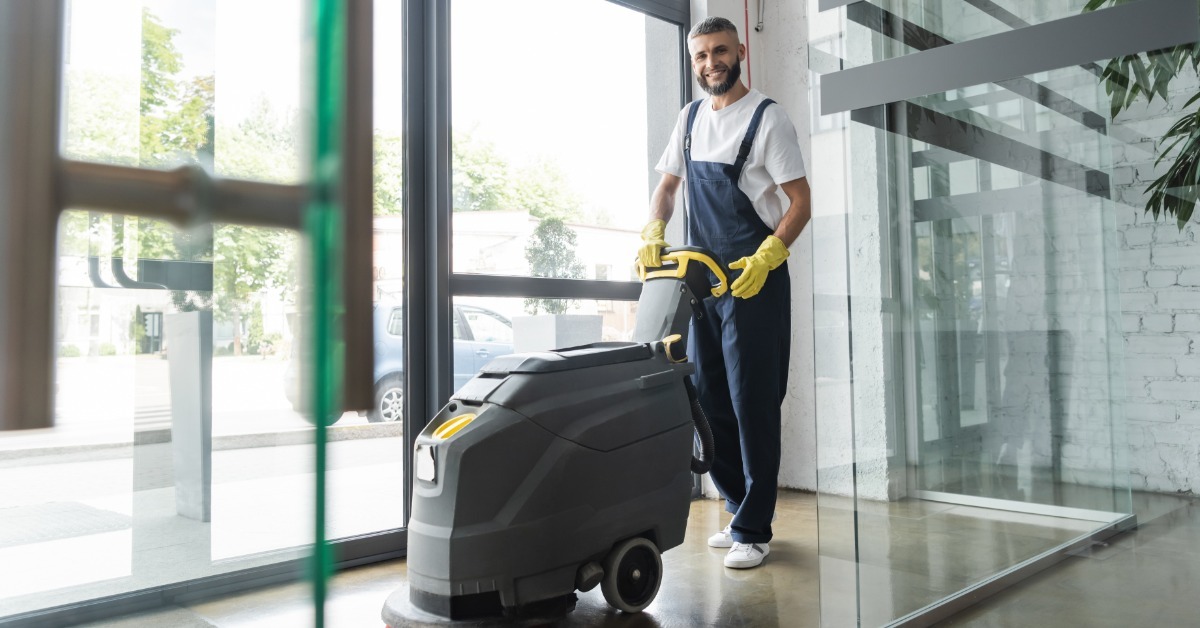
Choose the Walk-Behind Scrubber That Fits the Facility
Cleaning Stuff supplies janitorial equipment and floor care solutions for customers with a wide range of commercial cleaning needs. Our experience with floor buffers, burnishers, vacuum cleaners, auto scrubbers, and related equipment helps customers sort through features that can otherwise make purchasing decisions confusing.
When you cannot find exactly what you need or want help comparing auto scrubbers with and without traction drive, our team can help you narrow the options and take your order by phone. Choosing equipment with the right combination of cleaning performance, mobility, and operator support can make routine floor care much more manageable.