

Avoiding Costly Mistakes During Concrete Polishing Projects
5th Nov 2026
Concrete polishing can transform dull, worn flooring into an attractive surface that supports demanding commercial environments. However, successful results require more than running a polishing machine across the floor and expecting a consistent finish. Understanding how to avoid costly mistakes during concrete polishing projects helps maintenance teams protect their equipment, control expenses, and achieve professional results.
Careful planning also reduces unnecessary rework and helps facilities maintain their flooring investments over time. Cleaning Stuff explores more about concrete polishing projects.
Skipping a Thorough Floor Assessment
One of the most common polishing mistakes involves starting work without evaluating the concrete’s existing condition. Cracks, uneven areas, coatings, and embedded contaminants can interfere with polishing results and require additional preparation. Maintenance teams should inspect the entire surface and identify problems before selecting equipment or abrasive products. This preliminary assessment can establish realistic expectations about the finished floor’s appearance and performance.
Concrete hardness also influences how quickly abrasive tools cut through the surface during polishing. Different slabs may respond differently to identical equipment because their composition and finishing history vary. Crews should test a small area to determine how the concrete reacts before committing to a complete polishing sequence. This approach can prevent unnecessary tool wear and reduces the likelihood of inconsistent results.
Choosing the Wrong Polishing Equipment
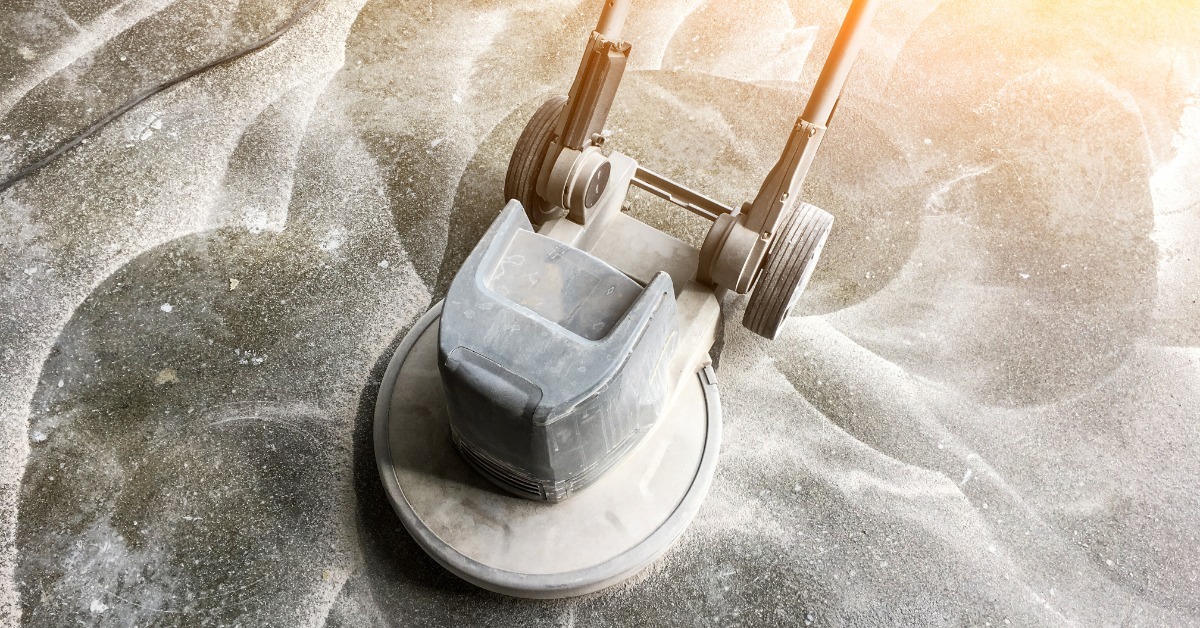
Selecting inappropriate equipment can increase labor costs and compromise the quality of the finished surface. Large floor grinders support substantial surface preparation, while compatible floor buffers and automatic scrubbers can handle certain polishing and maintenance applications. Operators must understand the difference between aggressive material removal and routine polishing before choosing a machine. Matching equipment capabilities to the project prevents inefficient work and unnecessary damage.
Cleaning Stuff offers cement polishing tools that work with compatible floor buffers and automatic floor scrubbers. These products help facilities expand the usefulness of equipment they already own without automatically requiring another specialized machine. However, operators should verify machine compatibility, rotational speed, attachment requirements, and manufacturer recommendations before purchasing. Proper equipment selection supports efficient polishing while protecting existing floor-care investments.
Neglecting Surface Preparation
Concrete polishing depends heavily on the condition of the surface before abrasive refinement begins. Dirt, adhesive residue, existing coatings, and accumulated contaminants can interfere with consistent abrasive contact. Operators who skip preparation may discover scratches, uneven finishes, or areas that resist polishing. Correcting these problems later often requires additional passes and increased labor.
Surface preparation should address contaminants and imperfections according to the project’s requirements. Some floors need mechanical coating removal or grinding before crews can begin a progressive polishing sequence. Others may require only appropriate cleaning and light refinement to restore an existing polished finish. Understanding the differences helps teams avoid unnecessary work while preparing the surface correctly.
Using the Incorrect Abrasive Sequence
Abrasive selection directly influences how effectively concrete polishing removes scratches and develops the desired finish. Diamond-based products typically progress through increasingly fine abrasive grades as operators refine the surface. Skipping necessary stages can leave visible scratches that finer abrasives cannot efficiently remove. Beginning with an unnecessarily aggressive abrasive can also remove more material than the project requires.
The correct progression depends on the concrete’s condition, equipment, and desired appearance. Operators should follow product-specific guidance rather than assume every polishing system uses identical steps. They should also inspect the surface between stages to confirm that each abrasive achieves its intended purpose. A consistent progression can reduce rework and creates a more uniform finished floor.
Common Mistakes That Increase Project Costs
Even experienced maintenance teams can encounter problems when they overlook basic polishing procedures. Small mistakes often accumulate, increasing equipment wear, labor requirements, and material expenses throughout the project. Establishing clear operating standards helps crews recognize these issues before they affect larger floor areas.
The following mistakes deserve particular attention:
- Skipping test areas: Prevents operators from confirming how concrete responds to selected abrasives.
- Using incompatible attachments: Creates unnecessary equipment risks and inconsistent polishing performance.
- Rushing abrasive changes: Leaves scratches that become more difficult to correct later.
- Ignoring dust and slurry: Allows residue to interfere with visibility and surface evaluation.
- Applying uneven pressure: Produces inconsistent finishes and unnecessary tool wear.
- Neglecting inspections: Allows cracks, coatings, or surface damage to disrupt the polishing process.
Overlooking Dust and Slurry Management
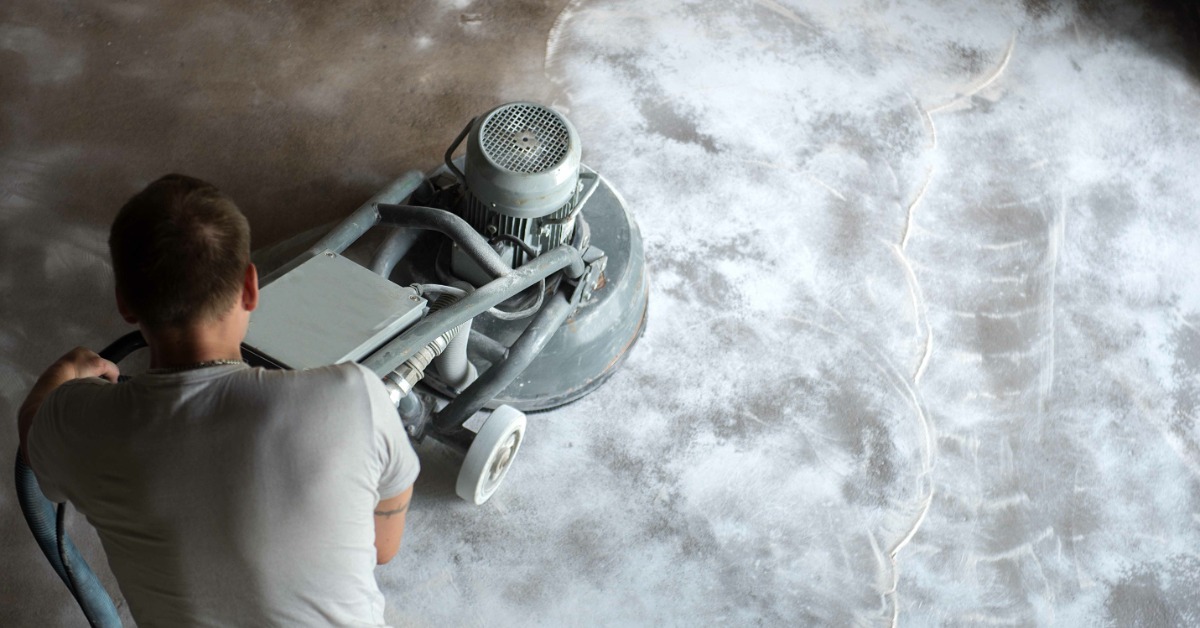
Concrete polishing can generate airborne dust or wet slurry, depending on the equipment and process. Without appropriate controls, these materials can create housekeeping problems and interfere with efficient operations. Dry grinding and polishing may generate respirable crystalline silica, which requires careful exposure assessment and appropriate controls. Crews should follow applicable OSHA requirements and equipment manufacturer guidance when planning dust collection and worker protection.
Wet polishing introduces different challenges because operators must collect and manage slurry effectively. Allowing residue to dry on the floor can complicate cleanup and affect the appearance of the finished surface. Facilities should also follow applicable disposal requirements rather than allow slurry to enter unauthorized drains. Effective containment and cleanup can maintain an organized worksite throughout the project.
Failing To Match Tools to Floor Conditions
Different concrete surfaces require different approaches to polishing and maintenance. Newly prepared concrete may need substantial refinement, while an existing polished floor might only require periodic restoration. Using aggressive abrasives during routine maintenance can unnecessarily alter the surface and increase costs. Choosing the appropriate product can preserve the finish while addressing actual wear.
Cleaning Stuff carries diamond-based polishing solutions from brands, such as 3M Trizact, Diamabrush, Cheetah Pads, Monkey Pads, and Black Diamond Floor Pads. These product families offer different options for surface preparation, refinement, and maintenance, depending on their specific designs. Operators should compare individual product specifications to determine which options suit their floor conditions and equipment. Selecting appropriate tools supports consistent results without unnecessary material removal.
Improve Your Concrete Polishing Results With Cleaning Stuff
Successful concrete polishing requires thoughtful preparation, appropriate equipment, and consistent attention to surface conditions. Avoiding costly mistakes during concrete polishing projects helps facilities control labor expenses while achieving attractive, durable flooring. Understanding abrasive progression and maintenance requirements also supports better long-term results. The right tools make professional floor care more practical for commercial maintenance teams.
Cleaning Stuff supplies concrete polishing products that help businesses maintain and improve existing floor surfaces. Our selection includes diamond-based options that work with compatible floor buffers and automatic scrubbers. Explore our available polishing tools to find solutions for surface preparation, ongoing maintenance, and floor refinement. Shop online with Cleaning Stuff today to equip your team with practical products for more efficient concrete floor care.