Concrete Polishing Machine Features To Compare
20th Aug 2026
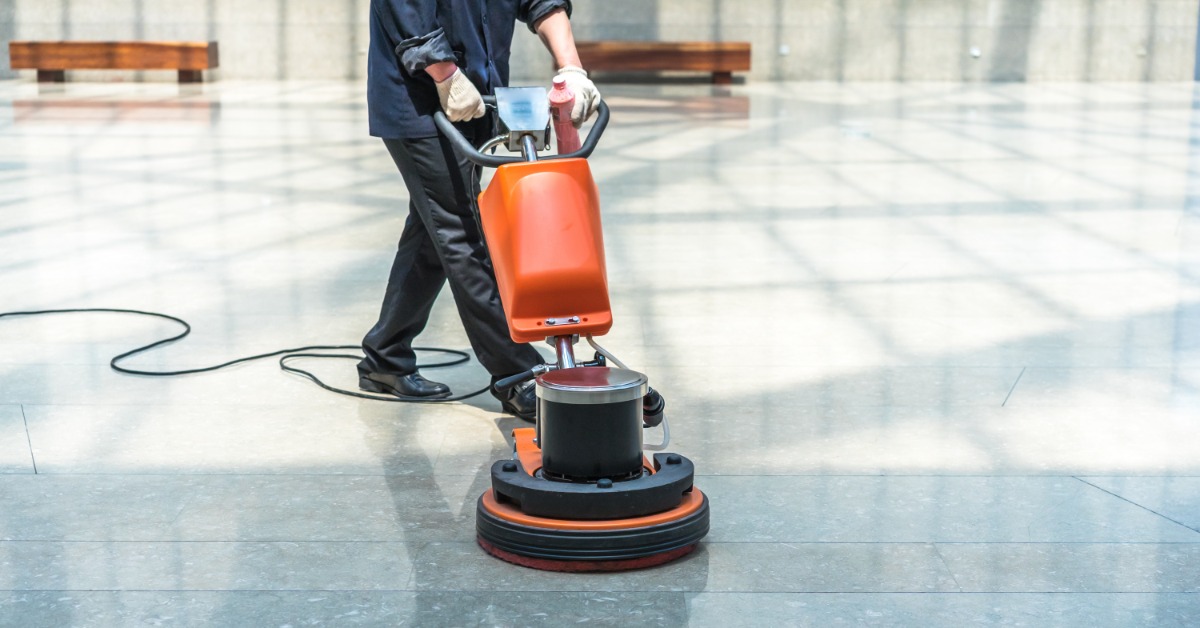
Choosing the right equipment affects productivity, finish quality, operating costs, and customer satisfaction on every flooring project. Professional contractors and facility managers benefit from comparing core features before investing in new polishing equipment. A thoughtful purchase helps crews complete jobs faster while delivering consistent results across different surfaces.
As such, buyers can avoid expensive mistakes and select equipment that supports long-term business growth when they understand the most important specifications. Below, Cleaning Stuff goes into greater detail about concrete polishing machine features to compare before you invest.
Start With the Right Machine Size
Machine size influences coverage speed, maneuverability, and overall efficiency on every project. Smaller models work well in hallways, residential garages, and tight commercial spaces where precision matters. Larger units cover expansive retail stores, warehouses, and industrial buildings with fewer passes across the floor. Matching the equipment size to your typical workload maximizes productivity while reducing unnecessary labor.
Weight also plays an important role when comparing available models. Heavier equipment applies greater downward pressure that can improve polishing performance on many concrete surfaces. Lighter units often provide better control when operators navigate around obstacles or work near walls. Reviewing dimensions and operating weight ensures the equipment fits your daily applications.
Motor Power Determines Performance
Motor performance directly affects polishing speed and overall production capacity. Higher-powered motors maintain consistent rotation even when operators tackle dense or heavily worn concrete surfaces. Reliable power also minimizes slowdowns that interrupt workflow during demanding commercial jobs. Contractors who handle large projects often appreciate the added efficiency that stronger motors provide.
Power requirements deserve careful consideration before making a purchase. Some models operate through standard electrical outlets, while others require higher-voltage connections for maximum output. Buyers should confirm jobsite power availability before selecting a specific unit. Choosing compatible equipment prevents delays and eliminates unnecessary setup challenges.
Compare Speed Control Options
Variable speed control gives operators greater flexibility throughout every stage of the polishing process. Lower speeds often support aggressive grinding, while higher speeds create smoother finishes during polishing stages. Easy speed adjustments allow crews to respond quickly as floor conditions change across a project. This versatility produces better-looking results with greater consistency.
Simple control layouts also improve operator confidence and reduce training time. Clearly labeled controls allow crews to make adjustments without interrupting workflow. Responsive settings help experienced professionals fine-tune performance for different diamond tooling combinations. User-friendly controls encourage safer operation while supporting higher productivity throughout the workday.
Evaluate Dust Collection Compatibility
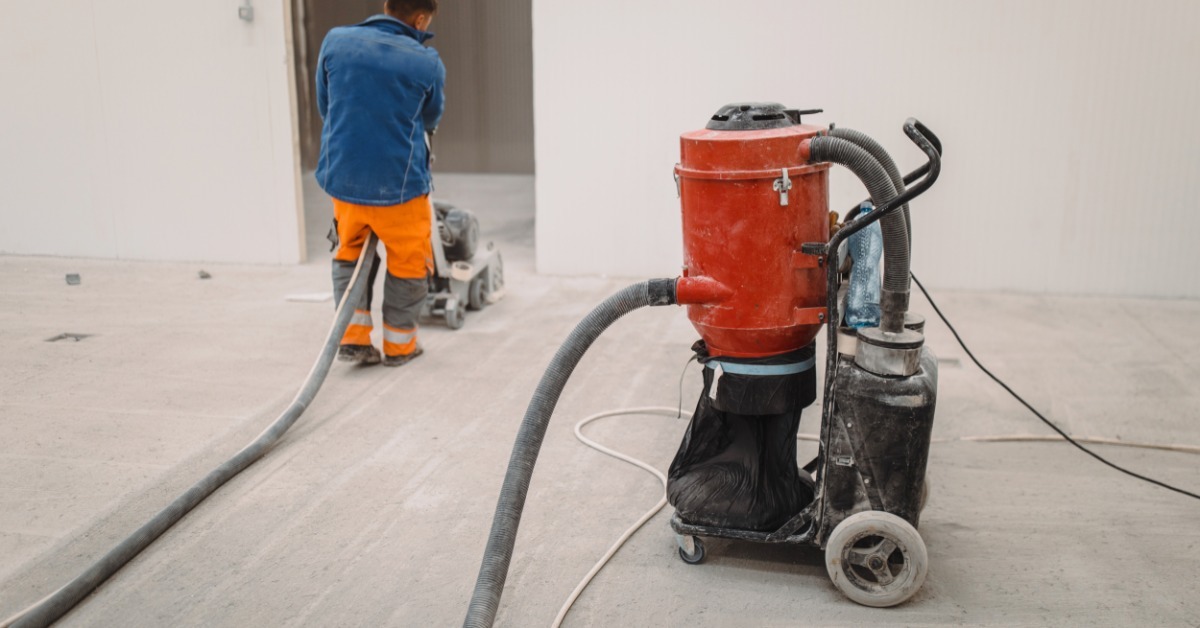
Dust management remains one of the most important considerations during floor polishing projects. Equipment that connects easily to professional dust extraction systems creates cleaner work environments and supports better indoor air quality. Effective dust collection also improves visibility so that operators can monitor floor progress more accurately. Cleaner jobsites leave stronger impressions on customers and reduce cleanup time after completion.
Buyers should also review shroud designs, hose compatibility, and sealing performance. Well-designed systems capture more airborne dust before it spreads throughout the workspace. Better containment protects nearby occupants, equipment, and finished areas from unnecessary contamination. Strong dust control also helps crews comply with workplace safety expectations.
Diamond Tooling Flexibility Matters
Diamond tooling compatibility expands the range of projects your equipment can complete successfully. Machines that accept multiple tooling styles allow contractors to grind, hone, and polish different concrete conditions with greater efficiency. Flexible tooling systems also simplify transitions between coating removal, surface preparation, and final polishing. Greater versatility creates more opportunities to serve a wider customer base.
Before purchasing new equipment, compare tooling availability and replacement costs across different manufacturers. Readily available accessories reduce downtime when crews need replacements quickly. Standardized tooling often lowers inventory costs because contractors can stock fewer unique components. Easy tool changes also keep projects moving without lengthy interruptions.
Features Worth Comparing at a Glance
- Machine size and overall operating weight
- Motor horsepower and available power requirements
- Variable speed settings for greater versatility
- Dust collection compatibility and shroud design
- Diamond tooling options and replacement availability
- Handle adjustments for improved operator comfort
- Maintenance accessibility and service support
- Warranty coverage and manufacturer reputation
Prioritize Operator Comfort and Control
Comfortable equipment helps crews maintain productivity during long polishing sessions. Adjustable handles allow operators to find ergonomic working positions that reduce fatigue throughout the day. Balanced designs also improve maneuverability when working around columns, shelving, and other obstacles. Better control often leads to more consistent finishes across the entire floor.
Low vibration levels contribute to a better working experience as well. Reduced vibration decreases physical strain during extended projects while improving overall handling precision. Comfortable operation encourages better attention to detail because crews experience less fatigue over time. Equipment designed with operators in mind often delivers measurable productivity improvements.
Maintenance Requirements Affect Long-Term Value
Routine maintenance influences ownership costs long after the initial purchase. Equipment with accessible service points allows technicians to complete inspections and basic maintenance quickly. Simple maintenance procedures reduce downtime and help crews return to active projects sooner. Reliable equipment also supports consistent scheduling without frequent unexpected repairs.
Replacement parts availability deserves equal attention during product comparisons. Readily available components simplify repairs and shorten equipment downtime when issues arise. Strong manufacturer support helps contractors protect their investment over many years of operation. Long-term reliability often delivers greater value than focusing solely on the lowest purchase price.
Warranty and Brand Support Build Confidence
Warranty coverage provides valuable protection for significant equipment investments. Buyers should compare warranty length, covered components, and service procedures before making a final decision. Comprehensive support programs often reflect a manufacturer’s confidence in product quality and durability. Strong warranty terms also reduce financial risk during the ownership period.
Customer support extends well beyond warranty paperwork. Responsive technical assistance helps operators troubleshoot issues quickly and minimize project delays. Training resources, instructional materials, and knowledgeable representatives improve the ownership experience from day one. Choosing a supplier with dependable support creates additional confidence when expanding your equipment fleet.
Match Equipment to Your Business Goals
Every contractor serves different customers with unique flooring requirements. Residential specialists may prioritize maneuverability, while commercial crews often value production speed and larger working widths. Companies that handle diverse projects benefit from versatile equipment that adapts to changing jobsite conditions. Careful planning helps buyers select equipment that supports current workloads and future growth.
Cleaning Stuff understands the importance of dependable flooring equipment for professionals who expect reliable performance every day. The right concrete polishing machine transforms worn surfaces into polished, attractive floors while helping crews complete projects efficiently and consistently.
Comparing concrete polishing machine features carefully before investing leads to smarter purchasing decisions that improve productivity and customer satisfaction. Selecting high-quality equipment today can protect your reputation and supports successful flooring projects for years to come.