
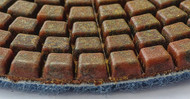
How Floor Conditions Affect Abrasive Selection
4th Nov 2026
Achieving a smooth, polished floor starts long before the final polishing pass. The condition of the surface determines which abrasives will work effectively, how much preparation the project requires, and what kind of finish crews can realistically achieve. Concrete and stone floors respond differently to polishing, and factors like scratches, surface hardness, existing coatings, and general wear influence the entire process.
Understanding the various conditions helps contractors, maintenance teams, and property owners select appropriate abrasives while avoiding unnecessary work, inconsistent results, and premature equipment wear. Cleaning Stuff explains how floor conditions affect abrasive selection and how our inventory makes shopping easier.
Surface Hardness Determines Abrasive Performance
Hardness plays a major role in how quickly abrasives cut through concrete and stone surfaces. Hard concrete often requires abrasives that maintain effective contact and expose fresh cutting material as crews work across the floor. Softer concrete presents different challenges because aggressive abrasives can remove material too quickly, potentially creating uneven areas or unnecessary surface damage. Evaluating hardness before polishing helps crews choose suitable abrasive characteristics and establish a controlled approach to surface refinement.
Concrete hardness can vary across a single floor, especially when different pours, repairs, or finishing methods have influenced the surface. A polishing setup that performs well in one section might struggle or wear rapidly in another area. Contractors should test abrasives in a small section before committing to a complete polishing sequence, particularly when surface conditions remain uncertain. This preliminary evaluation can reduce wasted materials and help crews maintain consistent results throughout the project.
Existing Scratches Influence Starting Grit
Scratches and surface imperfections can determine where the abrasive progression should begin. Deep scratches generally require coarser abrasives, while floors with light surface marks may need only moderate refinement before finer polishing stages. Starting with an abrasive that cuts too aggressively can introduce additional scratches and increase the amount of finishing work. Beginning with an abrasive that lacks sufficient cutting ability can leave existing damage visible beneath an otherwise polished surface.
Crews should inspect the floor under adequate lighting and identify the deepest imperfections that the project needs to address. The starting grit should provide enough cutting action to remove those marks without unnecessarily stripping sound surface material. After the initial pass, progressively finer abrasives can reduce the scratch pattern until the floor reaches the desired finish. This systematic approach creates uniform results while controlling labor time and abrasive consumption.
Moisture Conditions Affect Polishing Methods
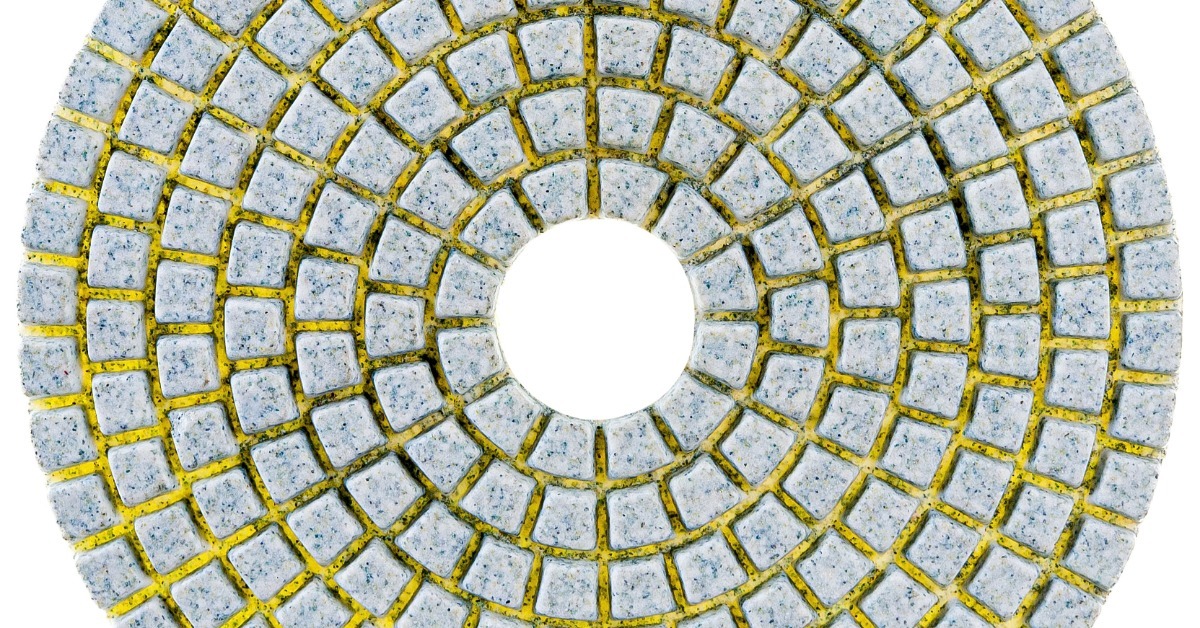
Moisture influences abrasive performance, particularly when crews must choose between wet and dry polishing methods. Wet polishing can control dust and manage heat, while dry polishing eliminates slurry handling and may suit certain equipment and jobsite requirements. However, the abrasive manufacturer must approve the selected method because not every pad performs effectively under both conditions. Excessive surface moisture can also complicate inspections, conceal imperfections, or interfere with subsequent finishing treatments.
Contractors should consider the flooring material, available equipment, work environment, and cleanup requirements before choosing their polishing approach. Dry methods require appropriate dust extraction and exposure controls, particularly when polishing concrete that contains respirable crystalline silica. Wet methods require responsible slurry collection and disposal rather than allowing residue to enter drains or surrounding areas. Matching abrasive specifications to the polishing method helps crews maintain effective cutting action while supporting safer, cleaner operations.
Floor Wear Determines the Level of Refinement
A heavily traveled commercial floor often develops different surface problems than a lightly used residential concrete floor. Foot traffic, rolling equipment, furniture movement, and repeated cleaning can gradually create scratches, dull areas, and uneven wear patterns. Some surfaces need substantial restoration, while others require only light refinement to improve their appearance. Recognizing the difference prevents crews from applying an unnecessarily aggressive process to floors that still have a sound finish.
Before selecting abrasives, evaluate the floor’s condition and identify the level of improvement the project actually requires. Several practical observations can guide the initial assessment, including:
- Deep scratches: Consider coarser starting abrasives that can address significant surface imperfections.
- Minor scuffing: Explore finer abrasives that improve appearance without excessive material removal.
- Uneven wear: Test different areas to determine whether the floor needs additional preparation.
- Existing coatings: Identify removal requirements before beginning the polishing sequence.
- Dull finishes: Assess whether light polishing can restore the desired appearance.
The abovementioned observations help crews avoid treating every floor as though it needs complete restoration. A condition-based approach also makes it easier to estimate labor, select appropriate products, and explain the polishing process to customers. Contractors can then concentrate their efforts on areas that genuinely need attention instead of repeating unnecessary passes. This approach supports efficient maintenance while preserving the integrity of the existing floor.
Concrete and Stone Require Different Considerations
Concrete and natural stone share some polishing principles, but their composition and surface characteristics create important differences. Concrete contains cement paste and aggregates that can respond differently as abrasives expose and refine the surface. Natural stone varies considerably in hardness, porosity, and sensitivity to certain treatments, making material identification especially important. Contractors should never assume that an abrasive suitable for one flooring material will produce comparable results on another.
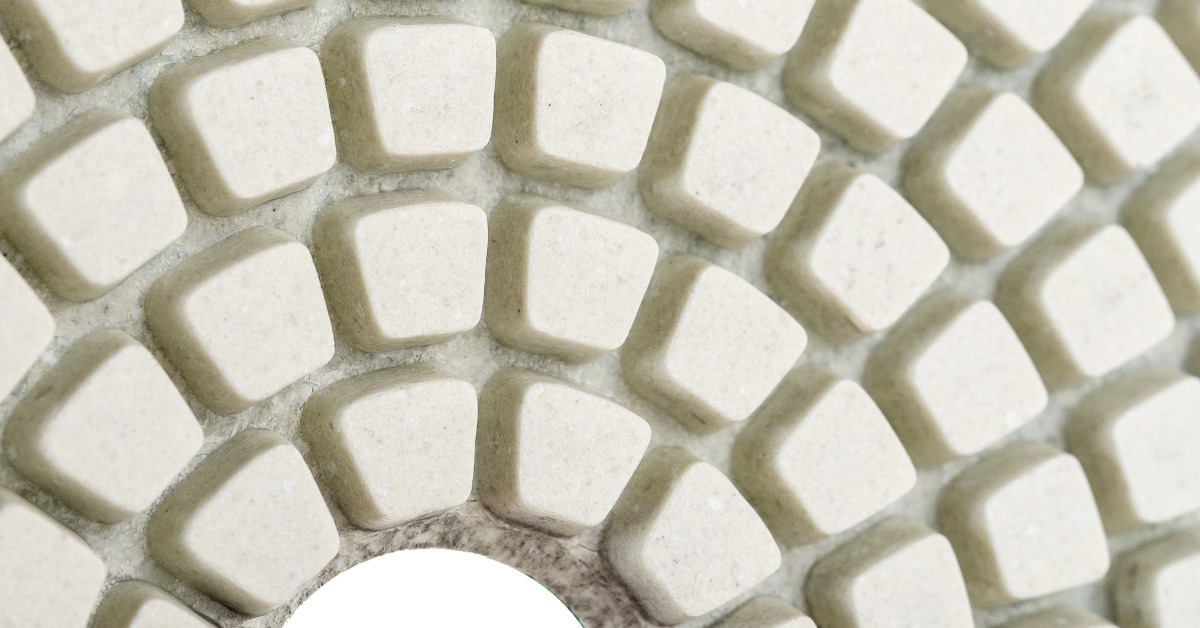
For example, marble generally requires a different polishing approach than harder stones, such as granite. Concrete floors may also reveal aggregate exposure differences that influence the appearance of the final finish. Cleaning Stuff offers diamond floor polishing pads for concrete and stone applications, giving crews options for progressing through appropriate levels of surface refinement. Selecting compatible pads and following the recommended grit progression can reduce visible scratches while developing a smoother, more consistent finish.
Cleaning Stuff Makes It Easy To Choose Abrasives
Cleaning Stuff provides diamond polishing pads for concrete and stone floors, helping customers move from initial surface preparation toward smoother, more attractive finishes. Our selection supports projects that involve removing scratches, improving dull surfaces, and refining floors through carefully selected grit stages. Whether you need to restore a worn concrete surface or improve the appearance of stone flooring, choosing the right abrasives can make polishing any floor condition more productive. Explore Cleaning Stuff’s collection of diamond polishing pads to find suitable products for your next floor polishing project.