

How Vacuum Bags Protect Commercial Vacuum Motors
17th Sep 2026
Commercial vacuum cleaners handle demanding workloads that ordinary household machines rarely face. Cleaning crews may run these machines across offices, schools, health-care facilities, hotels, retail spaces, and other high-traffic environments for hours each day. Every pass across the floor pulls dust, soil, hair, fibers, and larger debris through the vacuum system. A quality vacuum bag can manage that material while protecting the motor that keeps the entire machine running.
Many facility managers understandably focus on suction power, filtration ratings, cord length, and machine durability when selecting vacuum equipment. However, the bag inside a commercial vacuum plays an equally important role in maintaining reliable performance over time. Proper bags support airflow, contain debris, reduce internal contamination, and help the motor operate under appropriate conditions. Cleaning Stuff goes into detail about how vacuum bags protect commercial vacuum motors and why you can’t afford to overlook these components.
Vacuum Motors Depend on Consistent Airflow
A commercial vacuum motor creates the airflow that allows the machine to collect debris from flooring and other surfaces. Air moves through the vacuum along a designed pathway, carrying dirt into the collection system before continuing through filtration components. The motor depends on the movement of air to deliver consistent cleaning performance during extended use. Anything that significantly restricts the airflow can force the machine to work harder than necessary.
A properly fitted bag supports this airflow while capturing the debris that enters the machine. Its material allows air to continue moving through the system while keeping collected particles contained in the appropriate area. Problems can develop when a bag becomes excessively full, collapses improperly, or doesn’t match the vacuum model. Maintaining the correct airflow gives the motor better operating conditions and helps crews preserve reliable pickup throughout their cleaning routes.
Bags Keep Debris Away From Critical Components
Commercial cleaning environments expose vacuums to a remarkable variety of contaminants. Fine dust, carpet fibers, crumbs, soil, paper fragments, hair, and other particles can enter a vacuum during an ordinary shift. Without effective containment, some of that material could travel farther into the machine and accumulate around important internal components. A durable vacuum bag creates an essential barrier between collected debris and the equipment that powers the vacuum.
As such, protection becomes particularly valuable in facilities where crews encounter substantial amounts of fine particulate matter. Small particles can migrate into narrow spaces and contribute to buildup when the collection system fails to contain them effectively. Using high-quality commercial vacuum bags gives cleaning teams dependable containment while supporting the long-term maintenance of hardworking equipment. Strong bag construction also reduces the risk of tears that could release an entire load of collected debris inside the vacuum.

Filtration Protects More Than Indoor Air
Facility managers often associate vacuum filtration with cleaner indoor environments, and that connection certainly matters. Effective filtration can capture fine particles rather than allowing the vacuum to redistribute them throughout occupied spaces. However, filtration also contributes to equipment protection because it controls how much particulate matter moves through the machine. The bag is an important early filtration stage before air reaches additional filters and motor-related components.
Moreover, HEPA bag options provide an additional advantage when a facility needs enhanced particle capture. Health-care settings, offices, educational facilities, and other busy properties may benefit from systems that capture very fine particles during routine cleaning. The right combination of bag material and downstream filtration helps the vacuum manage contaminants without sacrificing appropriate airflow. Businesses should always choose bags and filters that meet the specifications of their particular vacuum model.
Full Bags Can Make Motors Work Harder
A vacuum bag cannot maintain ideal performance indefinitely as debris continues filling its available space. Accumulated material gradually reduces the open surface area that air can move through, which can create increasing resistance inside the system. Cleaning teams may notice weaker pickup, changes in machine sound, or the need for additional passes as a bag approaches capacity. Continuing to operate under those conditions can place unnecessary demands on the vacuum motor.
Waiting until a bag feels completely packed often creates a false economy for commercial cleaning operations. The small savings from postponing a replacement may come at the expense of cleaning efficiency, employee time, and equipment performance. Crews should inspect bags regularly and replace them according to actual working conditions rather than relying exclusively on a fixed calendar. High-debris facilities may require more frequent changes than relatively clean offices with lighter daily traffic.
Watch for Signs That a Bag Needs Attention
Experienced cleaning professionals learn to recognize performance changes before a vacuum develops a serious problem. Different facilities create different debris loads, so teams should combine routine inspections with observations about how each machine performs during use. A sudden decline in suction doesn’t automatically indicate motor failure because a full bag, blockage, or dirty filter may cause similar symptoms. Checking simple maintenance items first can prevent unnecessary downtime and help teams identify problems quickly.
Common warning signs that deserve attention include:
- • Noticeably weaker suction or reduced debris pickup
- • A bag that has reached its recommended fill level
- • Unusual motor sounds during normal operation
- • Increased heat coming from the vacuum
- • Dust escaping around the bag compartment
- • Visible tears, punctures, or damaged bag connections
- • Cleaning jobs requiring more passes than usual
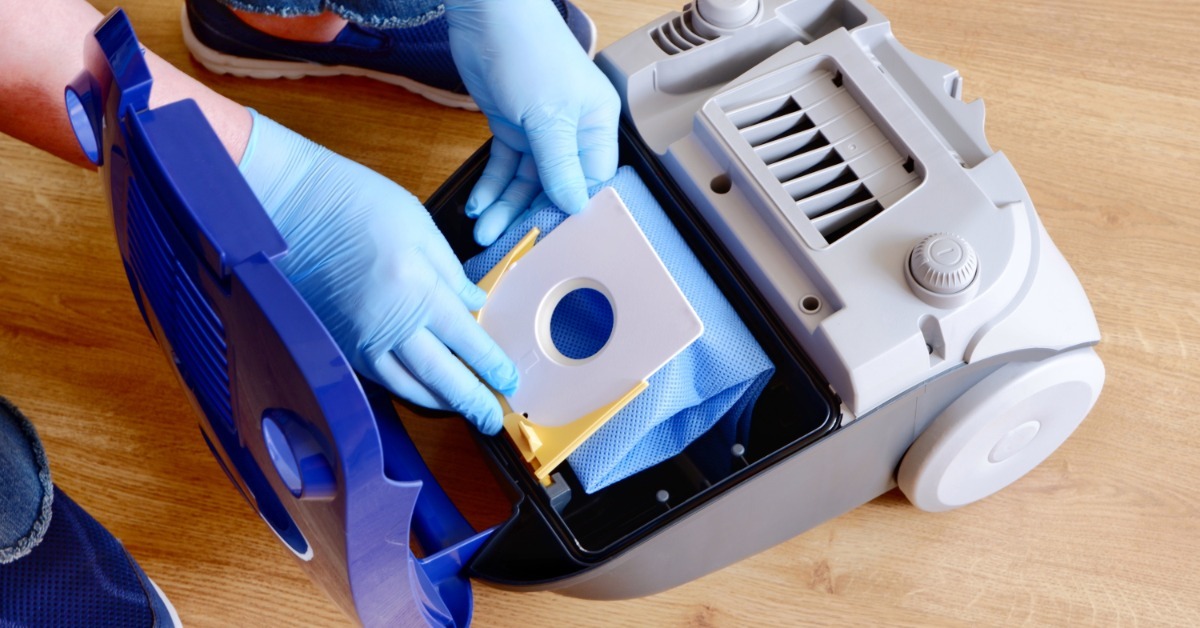
Protect Your Commercial Vacuum Investment With Cleaning Stuff
Commercial vacuums represent an important investment for any business responsible for maintaining large or frequently used spaces. Protecting these machines requires more than responding when a motor fails or suction suddenly disappears. Consistent bag replacement, correct product selection, appropriate filtration, and routine inspections all contribute to healthier operating conditions for the vacuum. These straightforward maintenance decisions can help equipment perform consistently while supporting efficient cleaning routines.
Cleaning Stuff makes it easier to find vacuum cleaner bags, filters, belts, and related supplies for many major commercial vacuum motor brands. Our selection includes durable, high-capacity options as well as HEPA choices for businesses that require enhanced filtration during everyday cleaning. Keeping the correct replacement supplies on hand helps crews maintain airflow, contain debris, and address full bags before they interfere with equipment performance. Choose Cleaning Stuff for dependable vacuum supplies that help your team protect its equipment and keep every cleaning routine moving efficiently.