

Long-Term Maintenance Requirements for Polished Concrete
31st Aug 2026
Polished concrete offers durability, a clean appearance, and practical performance in commercial, industrial, and institutional facilities. However, even a professionally polished floor requires routine care to retain its clarity, shine, and smooth finish over years of regular traffic. Dirt, abrasive debris, spills, heavy equipment, and inconsistent cleaning practices can gradually reduce the quality of the surface if maintenance crews ignore them.
Understanding long-term maintenance requirements helps facility managers protect their flooring investment while controlling labor, equipment, and restoration costs. Cleaning Stuff discusses long-term maintenance requirements for polished concrete to help you gain better understanding of proper care routines.
1. Establish a Consistent Daily Cleaning Routine
Daily cleaning provides the foundation for every long-term polished concrete maintenance program. Fine dirt and grit may seem harmless, but foot traffic can grind these particles against the floor and create small scratches that gradually reduce surface clarity. High-traffic facilities may require cleaning several times throughout the day, especially around entrances, checkout areas, production spaces, or busy corridors. Removing abrasive contaminants quickly protects the polished finish and reduces the amount of corrective work crews need to perform later.
Dust mopping or using suitable automated equipment can help crews collect loose debris before it damages the floor. Cleaning teams should pay particular attention to entrances because outdoor soil, sand, and moisture frequently enter buildings on footwear and equipment wheels. High-quality entrance matting can capture some of these contaminants before they reach polished areas, but crews still need to clean the surrounding floor regularly. Consistent daily attention usually requires less time and expense than restoring a neglected surface after months of abrasive wear.
2. Choose Cleaning Products Carefully
The cleaning solution a crew uses can directly influence the long-term appearance and performance of polished concrete. Harsh chemicals, unsuitable degreasers, or highly acidic products can affect the surface and undermine the results that routine polishing aims to preserve. Facility managers should choose products that suit polished concrete and follow manufacturer directions for dilution, application, dwell time, and removal. Proper chemical selection allows crews to remove soils effectively without creating unnecessary challenges for future maintenance.
Moreover, teams should avoid assuming that stronger chemicals automatically deliver better cleaning results. Excessive chemical concentration can leave residue behind, attract new soil, and create a dull appearance that makes the floor look poorly maintained. Crews should measure cleaning products accurately instead of relying on estimates when filling mop buckets, scrubbers, or other equipment. Combining appropriate chemistry with mechanical cleaning action often produces better results than increasing chemical strength alone.
3. Match Floor Pads to Maintenance Goals
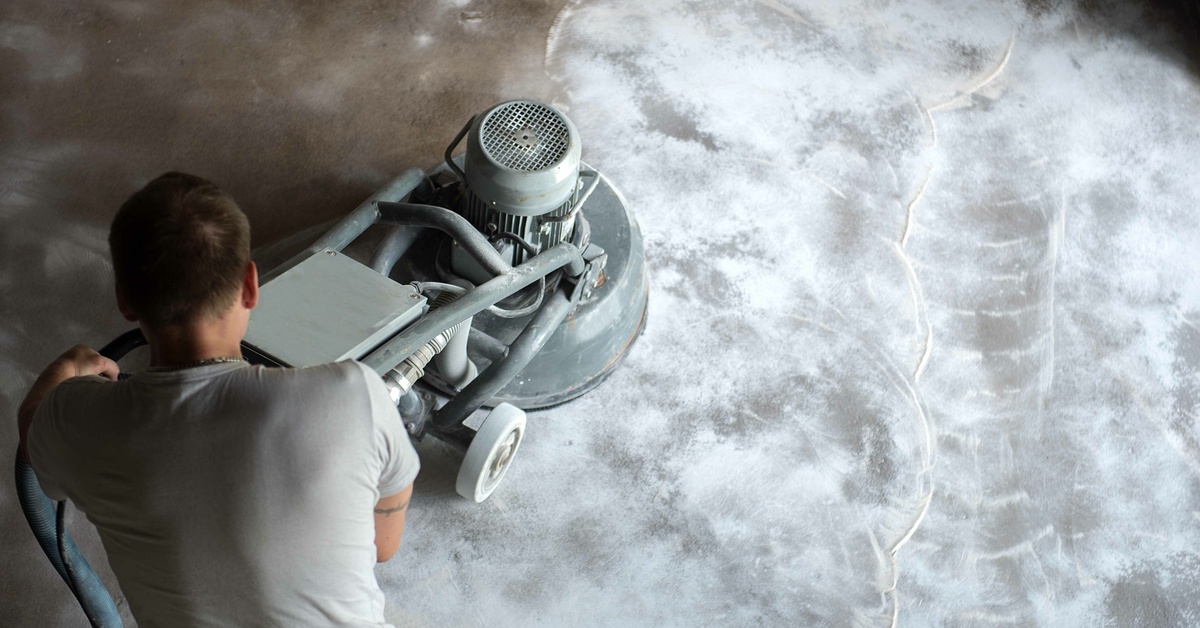
Floor pads perform different jobs depending on their materials, abrasiveness, construction, and intended application. A pad that works well for aggressive surface preparation may prove inappropriate for routine maintenance on an established polished floor. Maintenance managers should match the pad to the current floor condition and the specific result they want to achieve during each cleaning or polishing procedure. Using an overly aggressive option creates unnecessary work, while an ineffective pad may fail to improve a worn surface.
Cleaning Stuff carries diamond-based products and other concrete polishing tools that can work with existing floor buffers or automatic floor scrubbers for several floor-care applications. Options from brands, such as 3M Trizact, Diamabrush, Monkey Pads, Cheetah Pads, and Black Diamond Floor Pads, give professional crews choices for different maintenance needs. This flexibility can help facilities use core equipment more effectively instead of automatically investing in a completely separate machine for every polishing task. Managers should review equipment compatibility and product recommendations before incorporating a new pad or accessory into their regular program.
4. Address Spills and Stains Quickly
Polished concrete provides a practical surface for many demanding environments, but maintenance teams should never treat it as completely immune to staining. Oils, beverages, chemicals, food products, and other liquids can create discoloration or residue when they remain on the surface for extended periods. Employees should respond to spills promptly and use cleaning methods appropriate for the contaminant and the floor. Fast action can prevent a minor housekeeping issue from developing into a visible problem that requires more extensive correction.
Facilities should create clear procedures so that employees know how to handle common spills instead of leaving every situation for the next scheduled cleaning cycle. Staff should also keep appropriate cleaning supplies accessible in areas that regularly experience liquid spills or tracked-in moisture. Teams need to identify unknown chemicals before selecting a cleaning method because incompatible products can create additional surface problems. A straightforward spill-response plan supports appearance, cleanliness, and more predictable long-term maintenance.
5. Monitor Traffic Patterns and Uneven Wear
Concrete floors rarely experience equal levels of traffic across their entire surface. Entryways, aisles, service counters, intersections, production lines, and pathways between frequently used spaces often develop visible wear sooner than low-traffic areas. Maintenance managers should inspect these zones regularly and adjust cleaning or polishing frequencies before differences become dramatic. Targeted care can preserve a more consistent appearance without forcing crews to perform intensive maintenance across the entire floor unnecessarily.
A practical inspection routine can help teams identify changes before they require major restoration. Managers should look at the floor under normal operating lighting because gloss loss and inconsistent appearance often become easier to recognize from different angles. Keeping simple records can also help teams determine how quickly specific areas lose clarity after polishing or maintenance. These observations allow facilities to build schedules around actual floor conditions rather than relying on arbitrary dates.
A long-term inspection can focus on the following warning signs:
- Increasing dullness in major pedestrian routes
- Fine scratches or visible abrasion near entrances
- Stains that remain after routine cleaning
- Uneven gloss between high- and low-traffic areas
- Residue or haze after automatic scrubbing
- Changes in texture across heavily used sections
- Localized wear around equipment or workstations
Build a Better Polished Concrete Maintenance Program
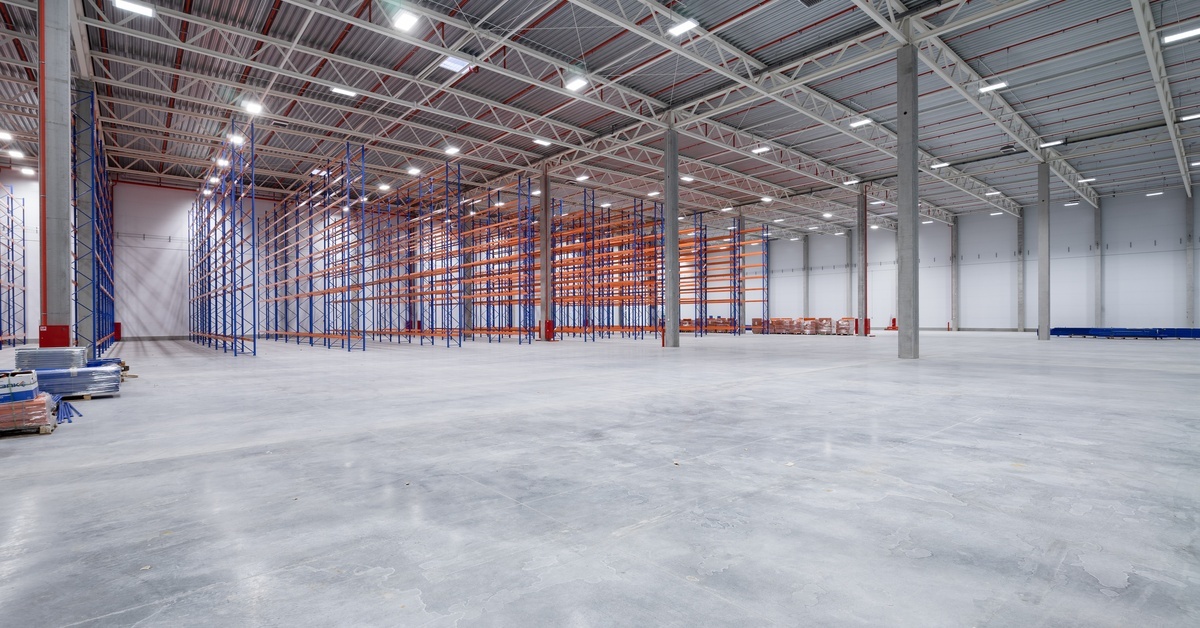
Cleaning Stuff offers concrete floor polishing supplies for professionals who want to maintain existing surfaces or improve concrete with equipment already available in their facilities. Our selection includes products from recognized brands, such as 3M Trizact, Diamabrush, Monkey Pads, Cheetah Pads, and Black Diamond Floor Pads, for a range of floor-care needs. Choosing compatible products can help crews improve consistency, extend the usefulness of buffers and scrubbers, and keep polished surfaces looking their best between major projects. Browse Cleaning Stuff’s selection today to find long-term maintenance products perfect for polished concrete.