Preparing Floors for a Stripping Machine
20th Oct 2026
Commercial floors endure constant foot traffic, equipment movement, spills, and daily cleaning that gradually wear down their protective finishes. Over time, wax and floor coatings develop scratches, discoloration, and stubborn buildup that routine cleaning cannot eliminate. Stripping removes deteriorating finish layers and creates a clean foundation for applying new protective coatings. However, successful floor restoration starts well before the stripping equipment touches the surface.
Proper preparation helps maintenance teams work efficiently while protecting flooring materials, equipment, and surrounding areas. Skipping essential preparation steps can lead to uneven finish removal, unnecessary downtime, and additional labor expenses. Facility managers and janitorial professionals should evaluate floor conditions, organize supplies, and establish a clear workflow before beginning. Teams can achieve consistent results while minimizing avoidable complications when they carefully understand preparing floors for a stripping machine.
Evaluate the Floor’s Condition and Material
Every successful stripping project begins with understanding the flooring material and its existing finish. Vinyl composition tile, certain resilient floors, and other commercial surfaces may require different cleaning solutions and stripping techniques. Using incompatible chemicals or aggressive equipment can damage flooring materials and create expensive restoration problems. Maintenance teams should consult flooring manufacturer recommendations before selecting stripping products or operating equipment.
A thorough inspection also reveals existing damage that may affect the restoration process. Look for cracked tiles, loose flooring sections, deep scratches, and areas where moisture has compromised the surface. Documenting these conditions can help your crew distinguish existing problems from issues that might develop during maintenance. Addressing significant damage beforehand prevents stripping operations from making vulnerable areas worse.
Clear the Work Area Before Stripping
Furniture, equipment, and other obstacles can interrupt machine movement and prevent consistent finish removal. Before beginning, relocate movable objects and establish clear pathways throughout the work area. Removing obstacles allows operators to maintain steady movement and reach more of the floor without repeatedly stopping. This preparation also reduces the risk of accidental contact between heavy equipment and surrounding furnishings.
Commercial environments often require additional coordination because employees, customers, or visitors may continue using nearby spaces. Schedule stripping during low-traffic periods whenever possible to limit disruptions and reduce exposure to wet surfaces. Place appropriate warning signs and physical barriers around the work zone to prevent unauthorized entry. Communicate the expected maintenance schedule so that building occupants understand which areas they should avoid.
Remove Loose Dirt and Surface Debris
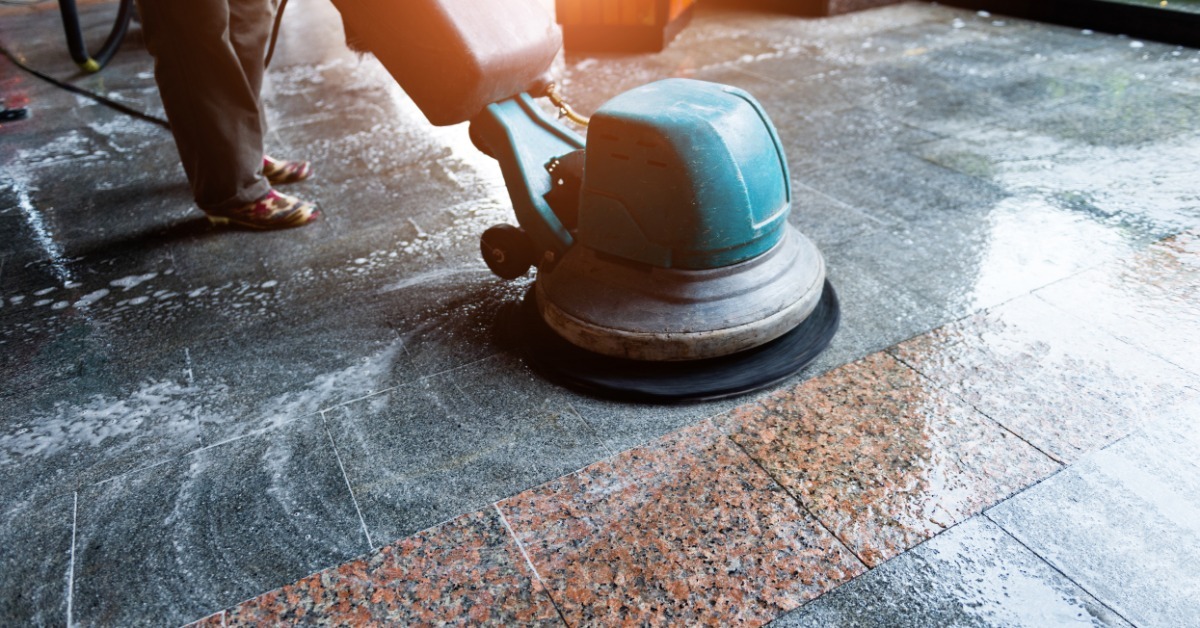
Dust, grit, and accumulated debris can interfere with stripping solutions and create unnecessary abrasion during machine operation. Thoroughly sweeping or vacuuming the floor removes loose materials before crews introduce moisture and chemicals. Pay particular attention to corners, entrances, and areas beneath furniture where dirt frequently collects. Starting with a clean surface allows stripping products to contact the existing finish more consistently.
Some facilities also benefit from preliminary cleaning when heavy soil covers the floor. Grease, sticky residue, and accumulated grime may prevent stripping chemicals from reaching the underlying coating effectively. Use a compatible cleaning product when necessary, and remove the resulting residue before proceeding. Allowing appropriate drying time between preparation stages helps crews maintain better control over the process.
Choose the Right Stripping Equipment
Equipment selection directly influences productivity, labor requirements, and the quality of finish removal. A commercial floor stripper machine should match the flooring material, project size, and existing coating conditions. Larger facilities may benefit from equipment that covers substantial floor areas efficiently, while smaller spaces require greater maneuverability. Choosing appropriate equipment helps operators maintain consistent results without placing unnecessary stress on flooring materials.
Machine specifications deserve careful attention because different models offer varying operating speeds, power levels, and handling characteristics. Maintenance teams should also consider available electrical connections, transportation requirements, and operator experience before making a purchase. Matching the equipment to the facility’s needs can reduce unnecessary labor while improving long-term maintenance efficiency. Cleaning Stuff offers commercial floor care equipment and knowledgeable assistance to help customers evaluate their options.
Gather Supplies and Protective Equipment
Having the necessary materials nearby prevents interruptions once the stripping process begins. Crews should organize compatible stripping chemicals, appropriate pads, wet vacuums, clean water, and other supplies before entering the work area. Personal protective equipment also plays an important role when workers handle chemical solutions and operate commercial machinery. Follow product safety data sheets, equipment instructions, and workplace safety procedures when preparing for the project.
A practical preparation checklist should include the following aspects:
- • Commercial stripping equipment suitable for the flooring material
- • Manufacturer-approved stripping solution and compatible pads or brushes
- • Wet vacuum or appropriate solution recovery equipment
- • Buckets, measuring tools, and clean rinse water
- • Chemical-resistant gloves, protective eyewear, and suitable footwear
- • Warning signs and barriers for restricting access
- • Replacement supplies and equipment accessories when necessary
Prepare and Test the Stripping Solution
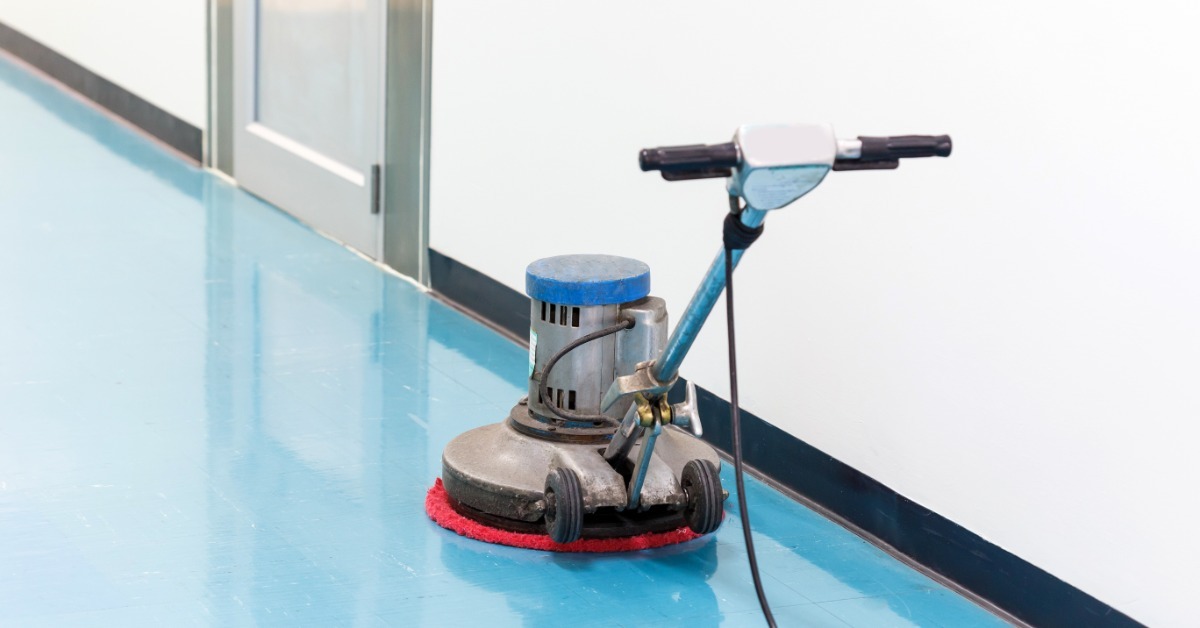
Commercial stripping solutions require careful handling to deliver effective results without damaging the underlying flooring. Always follow manufacturer instructions regarding dilution ratios, application methods, dwell times, and necessary safety precautions. Adding excessive chemical concentrate does not guarantee better performance and may create unnecessary hazards or residue problems. Accurate preparation helps crews achieve predictable results while managing chemical consumption.
Before treating the entire floor, test the stripping process in a small, inconspicuous area. This test can determine whether the selected solution, pad, and equipment settings suit the existing finish. Observe how the coating responds and check for discoloration, surface damage, or other unexpected changes. Adjust the process according to manufacturer guidance before proceeding with larger sections.
Prepare the Surface for a New Finish
Removing old finish represents only one stage of a complete commercial floor restoration project. After stripping, crews must remove chemical residue and inspect the surface before applying new coatings. Follow the stripping product and flooring manufacturer’s rinsing or neutralization instructions to prepare the floor appropriately. Remaining residue can interfere with finish adhesion and compromise the appearance of the completed restoration.
Allow the floor to dry completely before evaluating its condition or beginning the recoating process. Inspect corners, edges, and high-traffic areas for remaining buildup that may require additional attention. Confirm that the surface meets the finish manufacturer’s requirements before introducing new protective coatings. Proper preparation creates a stronger foundation for consistent coverage and easier routine maintenance.
Simplify Commercial Floor Preparation With Cleaning Stuff
Effective floor stripping depends on careful preparation, compatible equipment, and a consistent maintenance process. Facility managers and janitorial professionals can improve results by evaluating floor conditions, organizing supplies, and following manufacturer recommendations. Cleaning Stuff helps commercial maintenance teams find floor buffers, stripping equipment, vacuum cleaners, and related janitorial supplies that support efficient floor care.
With warehouse operations dating back to 2001, we combine product availability with practical customer service. Use this guide to preparing floors for a stripping machine and let our equipment support your efforts.