Preventive Floor Care Strategies for Large Facilities
1st Oct 2026
Floors in large commercial facilities face constant pressure from foot traffic, rolling equipment, dirt, moisture, and everyday operations. Warehouses, offices, schools, healthcare buildings, and other busy properties can quickly develop worn finishes or damaged surfaces when maintenance teams focus only on cleaning visible messes. Preventive floor care takes a different approach by addressing the conditions that cause premature wear before they create expensive problems. A thoughtful program can extend floor life while helping teams maintain a cleaner, more professional facility.
Effective prevention doesn’t require maintenance teams to clean every floor constantly. Instead, managers need to identify where contaminants enter the building, which areas receive the most traffic, and what each flooring material requires. The right equipment and supplies then make routine maintenance easier to manage across a large property. This strategy helps facilities direct labor toward the areas where it provides the greatest value. Below, Cleaning Stuff goes into greater detail about preventive floor care strategies for large facilities.
Stop Dirt at Building Entrances
Every person who enters a building can bring soil, grit, water, and other contaminants inside on their shoes. Once these materials reach hard floors, normal foot traffic can grind abrasive particles against the finish. Moisture can also create additional cleaning demands and contribute to slippery conditions. Controlling contaminants near entrances reduces how far maintenance teams need to chase them throughout the facility.
As such, an effective entrance system should cover enough walking distance to capture material from footwear before occupants reach interior flooring. Commercial entrance mats directly support this strategy by trapping moisture and debris in high-traffic transition areas. Facilities should choose products that fit the amount of traffic and environmental conditions at each doorway. Maintenance teams must also clean these areas regularly so that accumulated debris doesn’t migrate farther into the building.
Build a Consistent Daily Cleaning Routine
Preventive care depends heavily on routine soil removal. Dust and grit may seem harmless when compared with spills or obvious stains, but repeated traffic can turn fine particles into abrasives. Daily dust mopping, vacuuming, or other appropriate cleaning methods can limit that wear. Facility managers should determine frequency according to traffic rather than applying one schedule to every room.
A quiet administrative hallway may need less attention than a busy lobby or shipping area. Weather can also change cleaning demands from one day to the next, particularly during rain or winter conditions. Managers should give staff enough flexibility to increase service when conditions require it. A consistent baseline combined with responsive cleaning provides better protection than a rigid schedule that ignores actual floor conditions.
Use Equipment That Fits the Facility
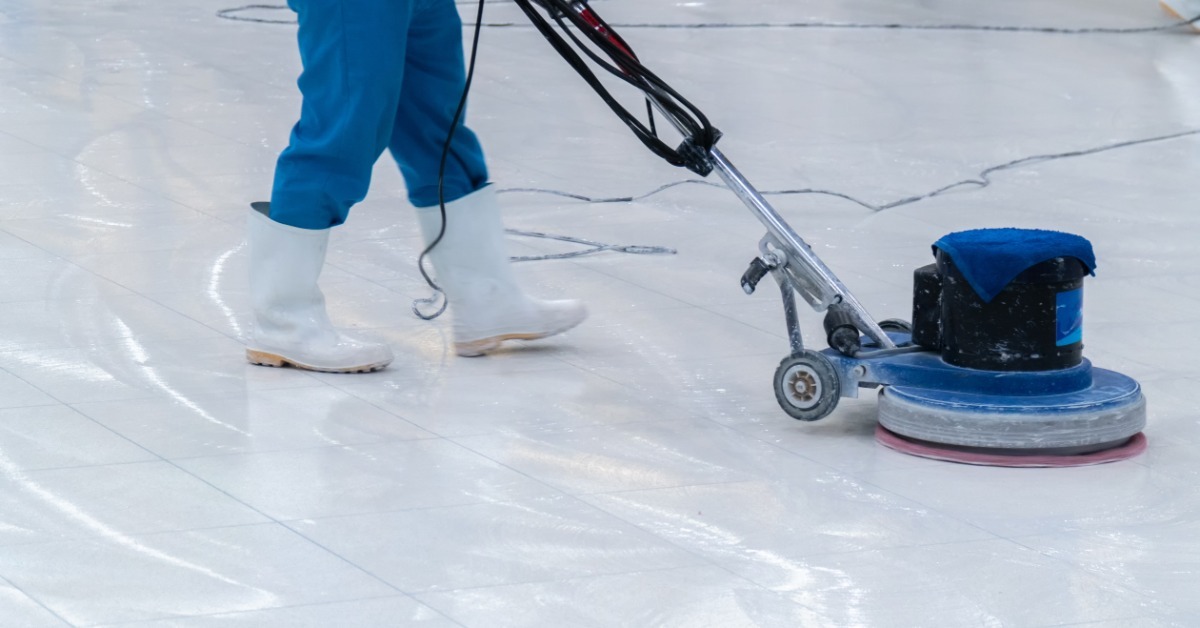
Cleaning a large floor with equipment designed for a small space wastes labor and makes consistency difficult. Commercial facilities may benefit from floor machines, vacuums, burnishers, scrubbers, or other equipment that matches their square footage and maintenance goals. The correct machine can help teams cover more ground without sacrificing cleaning quality. Equipment selection should reflect flooring type, traffic levels, building layout, and available staff.
Moreover, Cleaning Stuff supplies janitorial equipment and professional maintenance products from its own warehouse while also offering manufacturer drop shipping. Our vast range gives facility managers access to equipment for different cleaning applications instead of forcing every task into one method. We also encourage customers to call when they cannot find an item or need help navigating a complicated purchase. Outstanding service can prove especially useful when managers need to match equipment with a particular floor-care challenge.
Create High-Traffic Cleaning Zones
A large facility rarely experiences uniform wear. Main entrances, elevator banks, checkout areas, cafeterias, corridors, and production spaces often accumulate soil much faster than low-use rooms. Treating these zones as priorities helps maintenance teams prevent visible deterioration. Managers can use inspection data and staff observations to identify where additional service provides the greatest return.
Consider several factors when establishing priority areas, such as:
- • Daily foot traffic and rolling equipment
- • Exposure to outdoor dirt and moisture
- • Frequency of spills or tracked debris
- • Proximity to loading and receiving areas
- • Visible changes in floor finish
- • Cleaning time required after peak periods
Respond to Spills Quickly
Spills create an immediate appearance problem, but they can also affect flooring and safety when teams leave them unattended. Liquids may spread into traffic paths, while sticky substances can attract additional dirt. Certain materials can stain or affect finishes when they remain on the surface for extended periods. A clear spill-response process helps staff act before a small incident becomes a larger cleaning job.
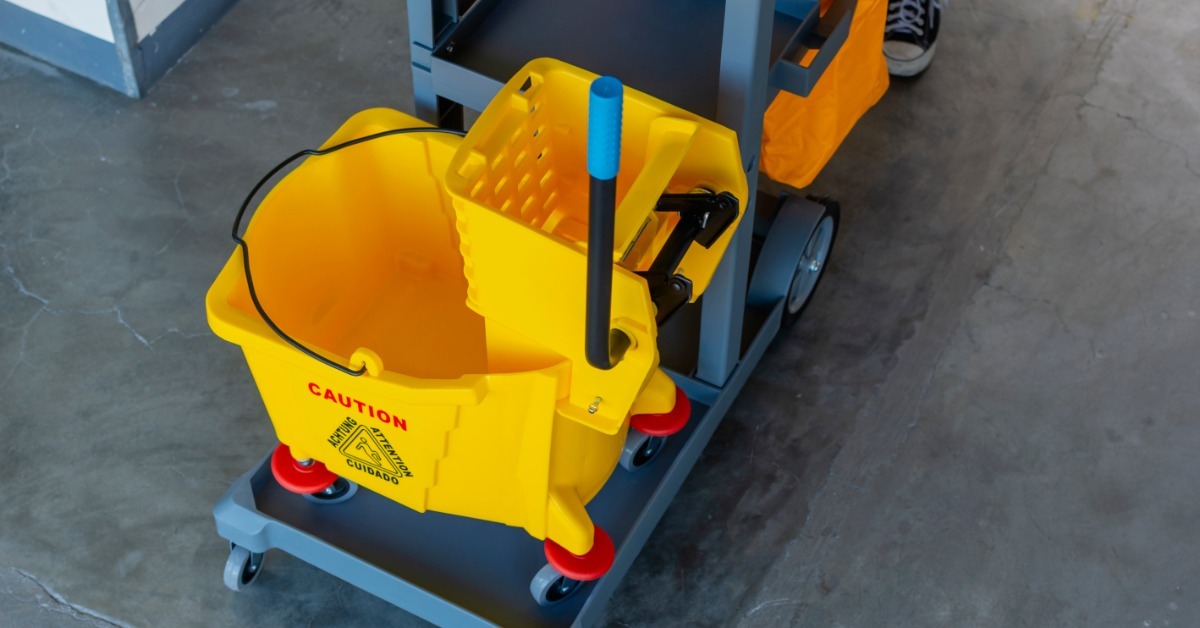
Keep appropriate cleanup supplies accessible in areas where spills commonly occur. Staff should know whom to contact when a spill exceeds their normal responsibilities or involves an unfamiliar substance. Managers should also ensure that employees follow the facility’s safety procedures while addressing wet areas. Fast response protects the floor while reducing unnecessary disruption.
Track Supplies Before Inventory Runs Out
A preventive program cannot function when staff routinely run out of essential products. Large facilities may consume significant quantities of cleaners, pads, vacuum supplies, liners, and other janitorial materials. Managers should establish reorder points based on normal usage and delivery time. Maintaining sensible inventory levels helps teams follow their procedures without substituting inappropriate products.
Centralized purchasing can also make it easier to monitor costs and standardize supplies. Cleaning Stuff has operated its warehouse and distribution model since 2001, giving customers a source for janitorial equipment and everyday maintenance products. Some purchases can become complicated when equipment specifications or specialized supplies enter the equation. Access to knowledgeable customer service gives facility managers a way to discuss those needs rather than guessing from a product listing.
Turn Floor Care Into a Long-Term Strategy
Preventive floor care in large facilities works best when leadership treats cleaning as asset protection rather than a cosmetic task. Entrance control limits incoming soil, routine maintenance removes abrasive material, and appropriate equipment helps teams manage large areas efficiently. Managers can then adjust the program according to traffic and observed wear. This approach reduces the need to wait for obvious deterioration before taking action.
Cleaning Stuff supports commercial maintenance teams with janitorial supplies, floor-care equipment, vacuums, and other products for professional cleaning programs. Customers who know exactly what they need can source products directly, while those facing a complicated requirement can contact the company for assistance. That combination can help large facilities build a supply program around their actual maintenance demands. A strong preventive strategy ultimately protects flooring by addressing everyday wear before it becomes a costly restoration problem. Explore our inventory today!