Reducing Facility Maintenance Costs With Entrance Mats
13th Aug 2026
Facility maintenance often begins at the entrance, where outdoor conditions immediately affect the floors inside. Foot traffic carries moisture and abrasive debris beyond the doorway, which creates more work for cleaning teams. As that material spreads, it can dull finished surfaces and increase the need for restorative floor care. Below we’ve explained how you can reduce facility maintenance costs with endurance mats.
Understand How Entrances Increase Maintenance Work
Entryways create the first line of defense against outdoor soil. Without enough mat coverage, shoes carry grit into hallways and other high-traffic areas, where daily movement spreads it farther. Cleaning crews then need additional passes with vacuums or floor machines to restore an acceptable appearance. Better soil control at the door reduces the amount of material that reaches the rest of the building.
Tracked-in moisture creates a separate maintenance problem. Wet footprints quickly make an entry look neglected, even when staff cleaned it earlier in the day. Moisture can also combine with fine soil and form residue that clings to hard floors. An effective entrance mat captures that moisture before routine foot traffic pushes it deeper into the facility.
Choose Mats for the Conditions at Each Door
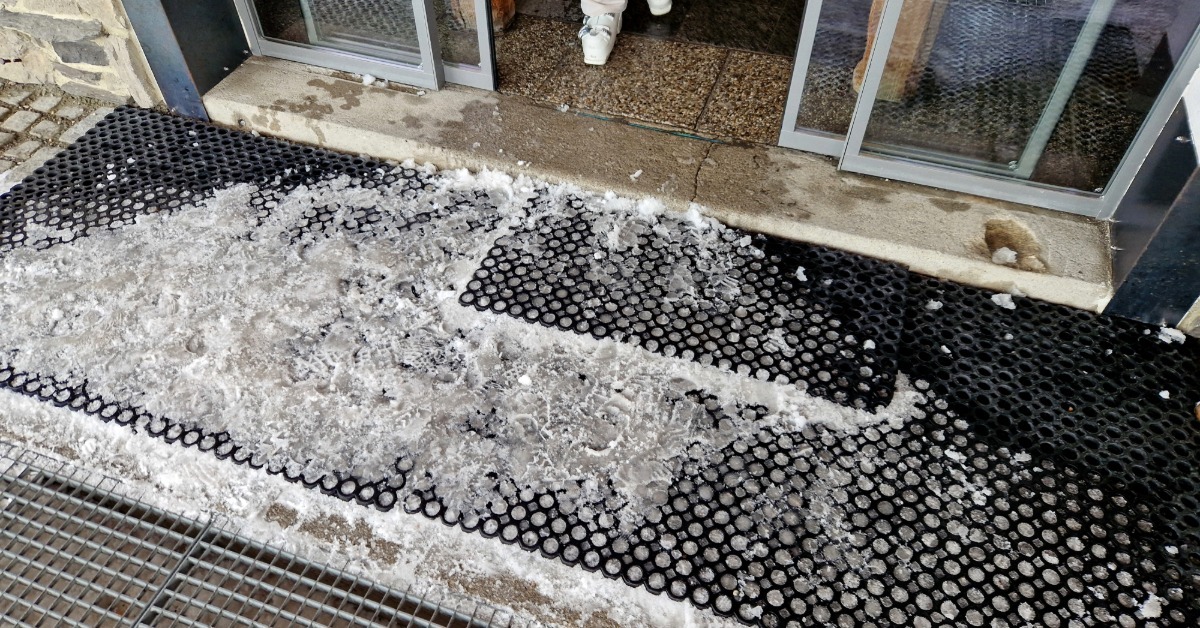
Facility managers should evaluate the weather exposure and traffic level at each entrance before selecting a mat system. Covered doorways usually need less moisture control, while exposed entrances require stronger scraping power during rain or snow. Seasonal conditions can also increase the amount of grit that reaches the threshold. Matching the system to the busiest and wettest periods helps prevent mats from becoming saturated too quickly.
Each section of the entrance should handle a specific stage of soil removal. Outdoor scraper mats remove coarse dirt before visitors cross the threshold. Indoor absorbent mats then capture finer particles and leftover moisture. Together, both surfaces reduce the amount of debris that reaches surrounding floors.
Provide Enough Mat Coverage
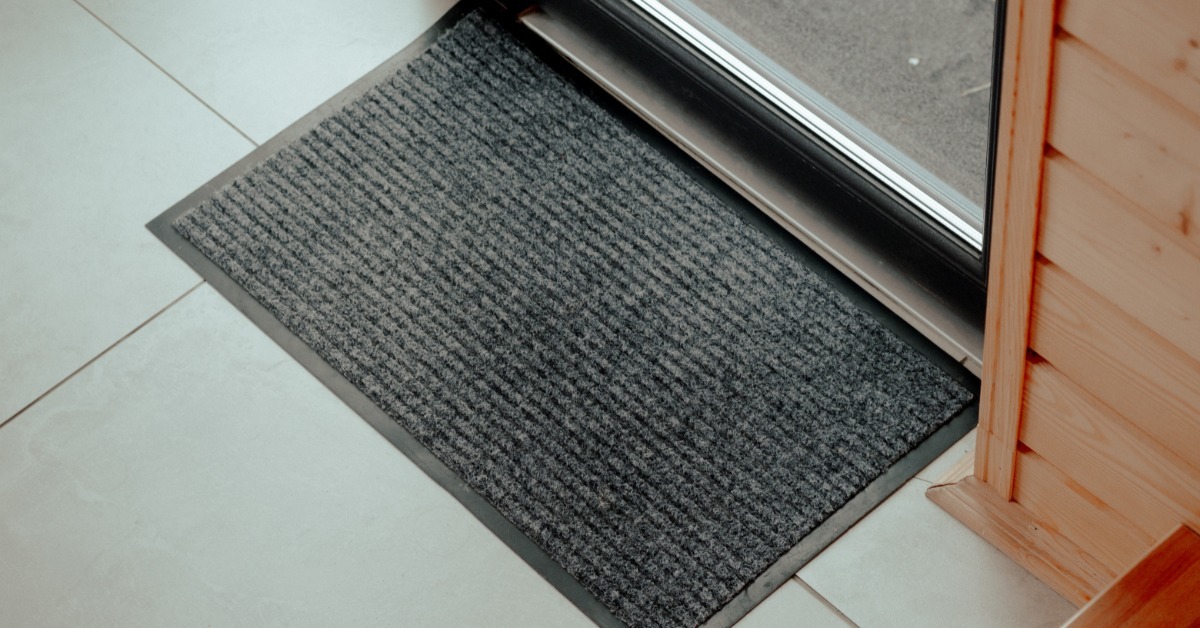
A small mat may protect the immediate doorway, but it rarely gives each visitor enough space to take several steps on the matting. Shoes need repeated contact with the surface before they release moisture and embedded debris. Extending coverage into the building increases that contact without asking visitors to change their behavior. Longer coverage also prevents traffic from stepping around the system during busy periods.
Facility managers should study how people move through the entrance before deciding where to place each mat. Door swing and vestibule size can narrow the available space, while nearby turns may pull foot traffic away from the covered area. A well-planned layout follows the natural path into the building so visitors remain on the mat long enough to remove moisture and debris without creating an obstruction.
Match the Mat to the Floor and Traffic Level
You can also reduce facility maintenance costs with endurance mats by matching it to the amount of foot traffic you receive. When the mat stays in place, it protects the surrounding floor and keeps the entrance looking orderly.
Traffic volume should also guide the mat’s size and construction. For instance, a quieter side entrance may only need modest coverage, while a busy lobby requires a more durable mat with greater holding capacity. Matching the mat to actual use helps prevent rapid saturation and reduces the need for constant attention from cleaning staff.
Build Mat Care Into the Cleaning Schedule
Regular vacuuming and moisture removal help entrance mats capture dirt before it spreads across surrounding floors. When dirt fills the surface, the next person can carry loose particles back onto the floor. Facility teams should set a service schedule based on weather and traffic rather than relying on a fixed routine throughout the year. More frequent attention during storms can protect the rest of the cleaning schedule from sudden extra work.
A practical inspection should cover a few clear conditions. Consistent criteria help crews respond before a mat loses effectiveness. Staff can use the following checks to decide when a mat needs service or replacement:
- Remove visible debris before it spreads beyond the entrance
- Extract moisture when the surface approaches its holding capacity
- Flatten curled edges that interfere with safe movement
- Replace damaged mats that no longer stay stable
Reduce the Need for Restorative Floor Care
Daily cleaning costs often rise when abrasive soil remains on finished floors. Foot traffic grinds that material against the surface, which can weaken shine and make wear patterns more visible. Crews may respond with more frequent buffing or other restorative work to improve the appearance. Capturing grit at the entrance reduces the pressure on those labor-intensive tasks.
Preventive matting also helps floor finishes last through more routine cleaning cycles. When fewer particles reach the floor, staff can focus on removing ordinary soil instead of correcting premature wear. That shift supports a more predictable maintenance schedule and reduces disruptions in occupied areas. Facility managers gain better control over labor without lowering appearance standards.
Protect Cleaning Equipment and Supplies
Tracked-in debris does not affect floors alone. Fine grit can move through vacuums and floor machines, where it adds unnecessary wear to brushes or filters. Extra soil also increases the amount of cleaning solution and disposable supplies that teams use during routine service. Strong entrance control limits the workload placed on equipment after dirt crosses the doorway.
Lower soil levels can also help crews use machines more efficiently. Operators spend less time making repeated passes over stubborn traffic lanes. They can complete scheduled work with fewer interruptions for emptying tanks or clearing debris. A cleaner starting point helps existing equipment deliver more value throughout its service life.
Review Performance Instead of Assuming the System Works
Facility managers should inspect the areas just beyond each entrance. Visible grit or recurring wet footprints often show that the current mat lacks enough coverage or capacity. Cleaning records can also reveal whether crews spend unusual amounts of time maintaining nearby corridors. These observations give managers a practical basis for adjusting mat size or placement.
Seasonal reviews keep the entrance plan aligned with changing conditions. A layout that works during dry weather may struggle during winter or a long rainy period. Managers can add coverage before difficult weather begins rather than waiting for maintenance costs to rise. Timely adjustments preserve the value of the entire floor care program.
Treat Entrance Mats as Maintenance Equipment
Entrance mats do more than improve the appearance of a doorway. They perform a daily maintenance task by collecting material before it reaches surfaces that cost more to clean or restore. Facility managers should evaluate mats with the same care they apply to floor machines and other essential equipment. The right system can reduce recurring labor while protecting the condition of the building.
Cleaning Stuff offers commercial mat options for different entrances and traffic demands. Choose dependable walk-off mats that support cleaner floors and a more efficient maintenance program.
Give your team a cleaner starting point before dirt reaches the rest of the building. The right entrance setup can make daily upkeep easier while helping protect every floor beyond the doorway.