What Makes a Vacuum Cleaner Commercial Grade?
11th Sep 2026
A reliable vacuum plays an essential role in maintaining clean floors, but residential equipment cannot always handle the demands of professional cleaning. Commercial facilities often require crews to clean larger spaces, tackle heavier debris, and operate equipment for extended periods every day. A commercial-grade vacuum combines durable construction, powerful performance, practical capacity, and features that support demanding cleaning routines. Understanding these differences helps facility managers and cleaning professionals choose equipment that can handle their workload without slowing productivity.
Commercial-grade equipment also serves a much wider range of environments than the average household vacuum. Offices, schools, healthcare facilities, hotels, retail stores, warehouses, and professional cleaning companies all place unique demands on their equipment. Manufacturers design professional vacuums around those demanding conditions rather than occasional household cleaning.
Several important characteristics separate a true commercial machine from a standard residential model. Cleaning Stuff explores what makes a vacuum cleaner commercial grade compared to others on the market.
Commercial-Grade Vacuums Use Heavy-Duty Construction
Durability represents one of the clearest differences between residential and commercial vacuum equipment. Professional cleaners may operate the same machine for several hours, transport it between locations, and expose it to considerably more wear than a homeowner would. Manufacturers often use stronger housings, reinforced components, durable wheels, and dependable connections to help professional models withstand these conditions. This rugged construction allows cleaning crews to rely on their equipment through demanding daily schedules.
Small construction details can have a significant impact on long-term reliability. Handles, hoses, switches, cords, wheels, and attachments all experience repeated movement and contact during normal commercial cleaning. Quality equipment uses components that can tolerate this constant handling without creating unnecessary maintenance problems. Investing in stronger construction can reduce interruptions and help businesses get greater value from their cleaning equipment over time.
Powerful Suction Supports Demanding Cleaning Jobs
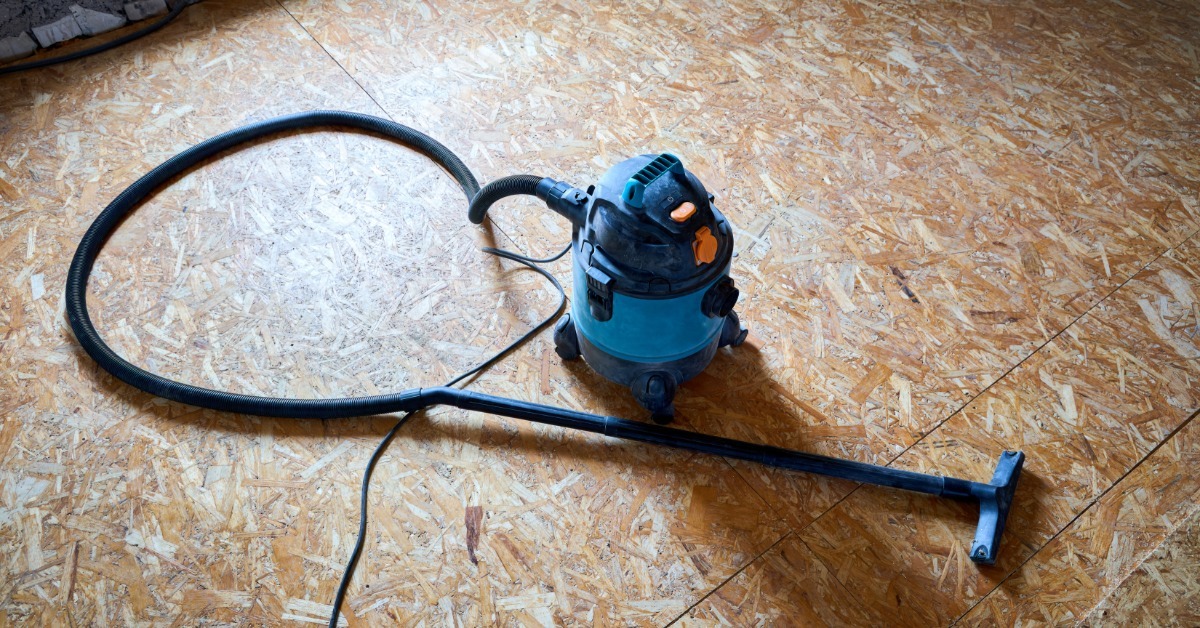
Strong suction matters when cleaning crews need to remove dirt quickly from large or heavily traveled spaces. Commercial facilities can accumulate tracked-in soil, dust, crumbs, fibers, and other debris throughout a normal business day. A professional vacuum needs enough consistent airflow and suction to collect those materials efficiently without requiring repeated passes. Reliable performance helps employees complete more floor area within the time available for each cleaning shift.
Motor specifications alone don’t tell the complete story about cleaning performance. Airflow, suction, brush design, filtration, floor tools, and overall machine construction all influence how effectively a vacuum collects debris. A well-designed commercial machine balances these elements to provide dependable results under real working conditions. Buyers should compare overall performance and intended applications rather than selecting equipment according to one impressive specification.
Longer Cords and Better Mobility Increase Productivity
Professional cleaners rarely have the time to stop every few minutes and search for another electrical outlet. Longer power cords allow employees to cover larger areas before unplugging the vacuum and relocating the connection. This seemingly simple feature can save considerable time across a large facility or repeated daily cleaning routes. Durable commercial cords also need to tolerate regular coiling, uncoiling, transport, and movement around furniture.
Mobility involves more than cord length, especially when employees work in complex facilities. Wheels, casters, hoses, carrying systems, handles, and attachments can all affect how easily a machine moves through the environment. Before purchasing equipment, businesses should consider the following features:
- Cord length and cord management for larger cleaning areas
- Machine weight for transport between rooms or floors
- Hose reach for corners, furniture, and difficult spaces
- Wheel or caster quality for smooth movement
- Handle design for comfortable everyday operation
- Attachment access for quick transitions between cleaning tasks
Commercial Vacuums Handle Different Floor Types
Professional environments rarely contain only one type of flooring. A single facility might include carpeted offices, hard-surface hallways, entry mats, tile break rooms, and other surfaces that require different cleaning approaches. Commercial vacuum cleaners can provide configurations and accessories that help crews address these varied environments more effectively. Choosing equipment around actual floor conditions prevents employees from forcing one machine to perform tasks that don’t suit its design.
Upright models often work well for carpet-heavy environments where employees need efficient coverage across larger areas. Canister vacuums can offer useful versatility when crews clean hard flooring, furniture, corners, and spaces around obstacles. Backpack units help workers move through stairways, offices, theaters, and other environments where maneuverability matters. Wet/dry machines provide another option when businesses need equipment capable of handling cleanup tasks beyond ordinary dry debris.
Filtration Matters in Professional Environments
A vacuum needs to capture debris effectively rather than simply move visible dirt away from the floor. Filtration systems manage the particles that enter the machine as employees clean. Some facilities may require more advanced filtration because their operations create substantial amounts of fine dust or because indoor cleanliness standards demand greater particle control. HEPA-equipped options can provide an important feature when a facility’s cleaning requirements call for higher-efficiency filtration.
Buyers should consider filtration alongside maintenance requirements and replacement supplies. Filters require appropriate care to continue supporting the machine’s intended performance, while bags and other consumable components can influence operating costs. Easy access to these parts can simplify routine maintenance for busy cleaning departments. Choosing equipment with readily available replacement supplies also helps businesses avoid unnecessary downtime.
Different Commercial Vacuum Styles Serve Different Jobs
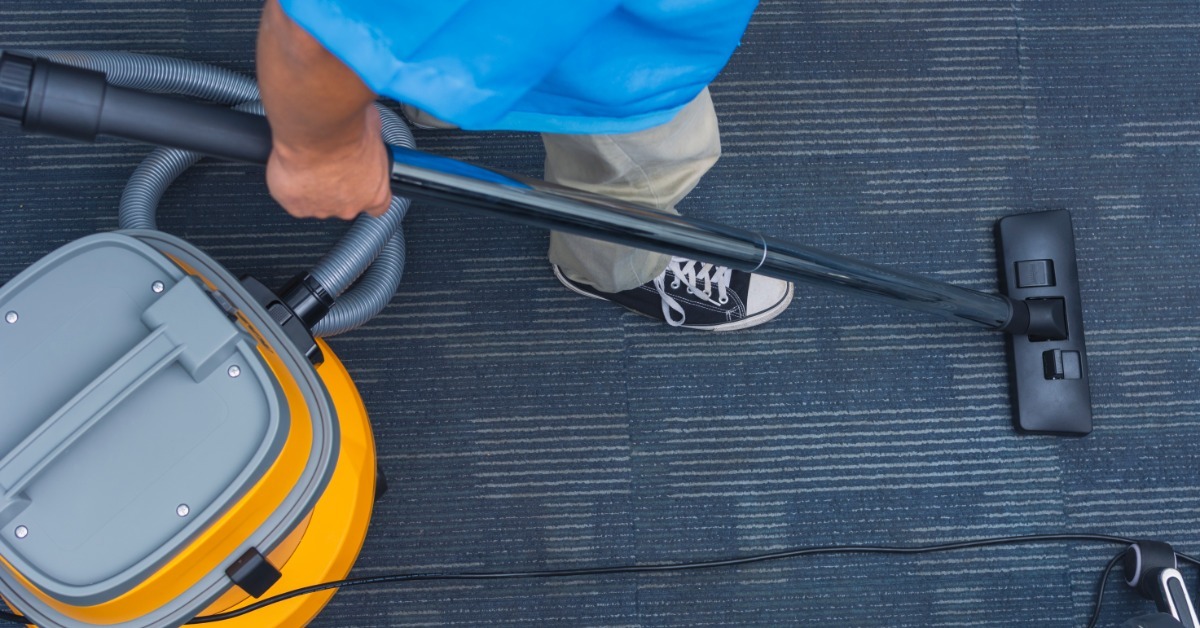
The term commercial grade doesn’t describe a single machine design. Manufacturers produce several vacuum styles because cleaning a hotel, office, warehouse, school, or contracting site can involve dramatically different tasks. The right configuration helps employees work efficiently while using equipment suited to the surfaces and debris they encounter. Businesses should therefore start with their cleaning environment before deciding which machine category makes the most sense.
Backpack vacuums emphasize mobility and can help employees navigate areas with furniture, stairs, and frequent obstacles. Upright vacuums offer familiar operation and efficient coverage for carpeted floors, while canister models provide versatility across multiple surfaces and detailed cleaning tasks. Wet/dry vacuums can tackle heavier cleanup situations where ordinary dry vacuuming cannot meet the job requirements. Cleaning Stuff offers options from established manufacturers, such as ProTeam, Advance, Betco, Bissell, Clarke, Sandia, Viper, NaceCare, and many other professional equipment brands.
Choose a Commercial Vacuum Around Your Facility
Cleaning Stuff carries commercial-grade vacuum cleaners for businesses that need dependable equipment for carpets, hard floors, everyday maintenance, and demanding cleanup projects. Customers can compare backpack, upright, canister, wet/dry, HEPA, industrial, and heavy-duty options according to their specific cleaning requirements. Choosing professional equipment can help crews reduce interruptions, maintain consistent results, and approach challenging cleaning jobs with greater efficiency. Explore our selection to find a commercial-grade vacuum that fits your facility, workload, and long-term cleaning needs.